
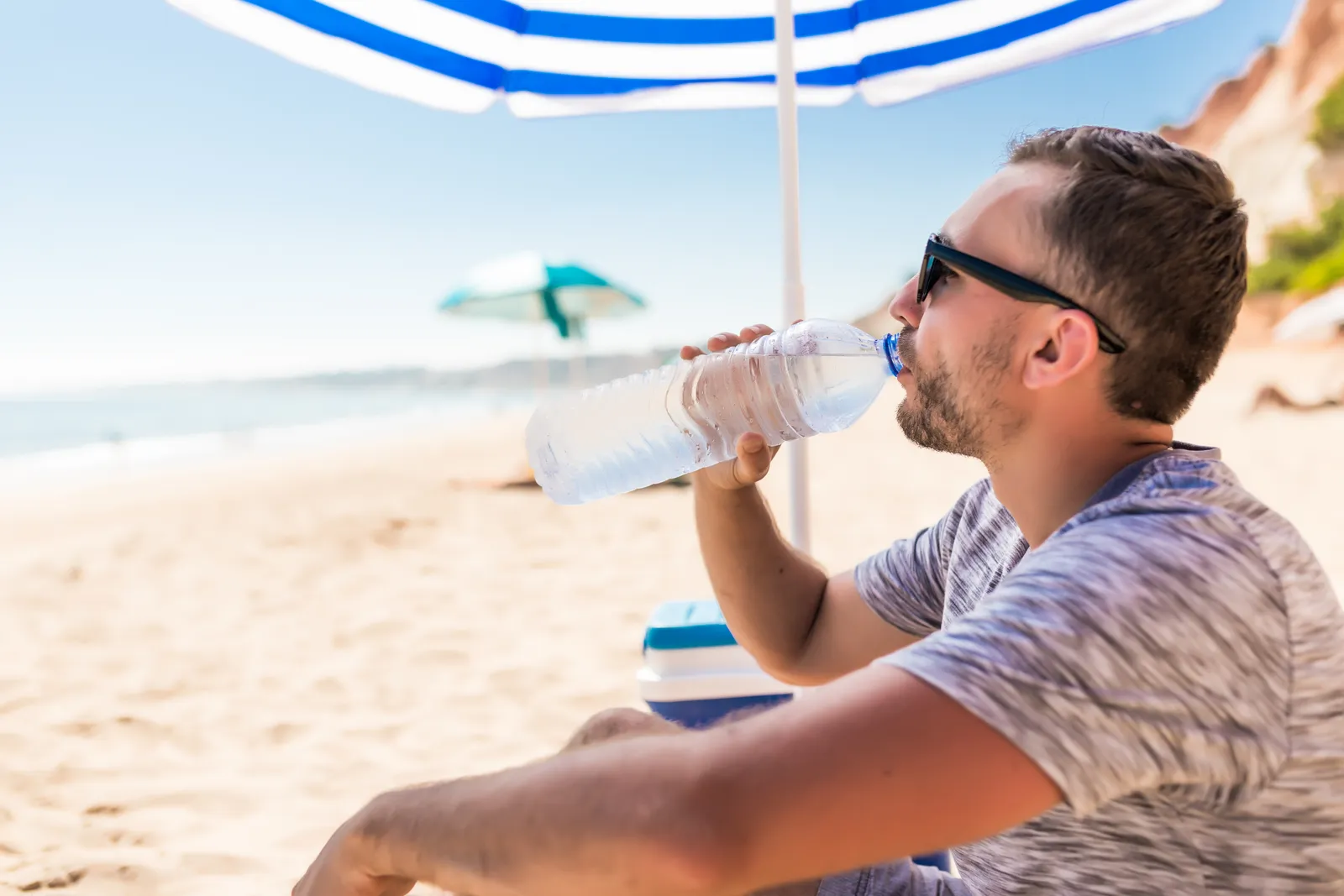
On hot days, drinking water is the most repeated advice — and for good reason. But summer hydration goes beyond the bottle: it’s also in what you eat, the times you go out and the habits you take to the beach.
Don’t wait until you’re thirsty
With heat and activity, we lose more water than we realise. Keeping a bottle always to hand — in your bag, in the car, on your desk — means you drink throughout the day, in small amounts, instead of all at once when thirst kicks in.
Children and older people deserve special attention: they don’t always feel or ask for the water they need.
A simple trick: start the day with a glass of water before your coffee and have another with every meal. On beach days or days out, take extra water — it’s always better to have some left over than to run short, especially with kids.
You drink at the table too
Many summer foods are rich in water and make hydration more varied:
Watermelon and melon, fresh or on skewers.
Cucumber and tomato, in salads or a gazpacho.
Cold soups made with seasonal vegetables.
Infused water with slices of lemon, mint or red berries.
The water bottle is the summer accessory that never goes out of fashion.
Sensible sun habits
Avoid the hottest hours, look for shade, wear a hat and reapply sunscreen often, especially after swimming. Very sugary or alcoholic drinks are no substitute for water.
Looking after your skin also starts on your plate, with colourful fruit and vegetables all summer long. Some people like to complement that routine with a supplement designed for the sunny months.
Copper contributes to normal pigmentation of the skin.
Vitamin E contributes to the protection of cells from oxidative stress.
No supplement replaces sunscreen, shade or care during the hottest hours. And if you feel dizzy, have a bad headache or feel unwell on a very hot day, find somewhere cool and get medical help if needed.
In short
Drink throughout the day, without waiting until you’re thirsty.
Watermelon, cucumber and cold soups hydrate too.
Shade, a hat and sunscreen, always.
Supplements complement sun protection, they never replace it.
This article is for information only and is not a substitute for advice from a health professional.