
When we think about getting our skin ready for summer, we think of sunscreen — and rightly so. But part of the preparation starts weeks earlier, in the kitchen.
Carotenoids: colour on your plate
Carotenoids are pigments that give many foods their orange, yellow and red colour. Beta-carotene is the best known. A simple way to include them is to “eat the rainbow” over the week:
Orange: carrots, pumpkin, sweet potato, mango, apricots.
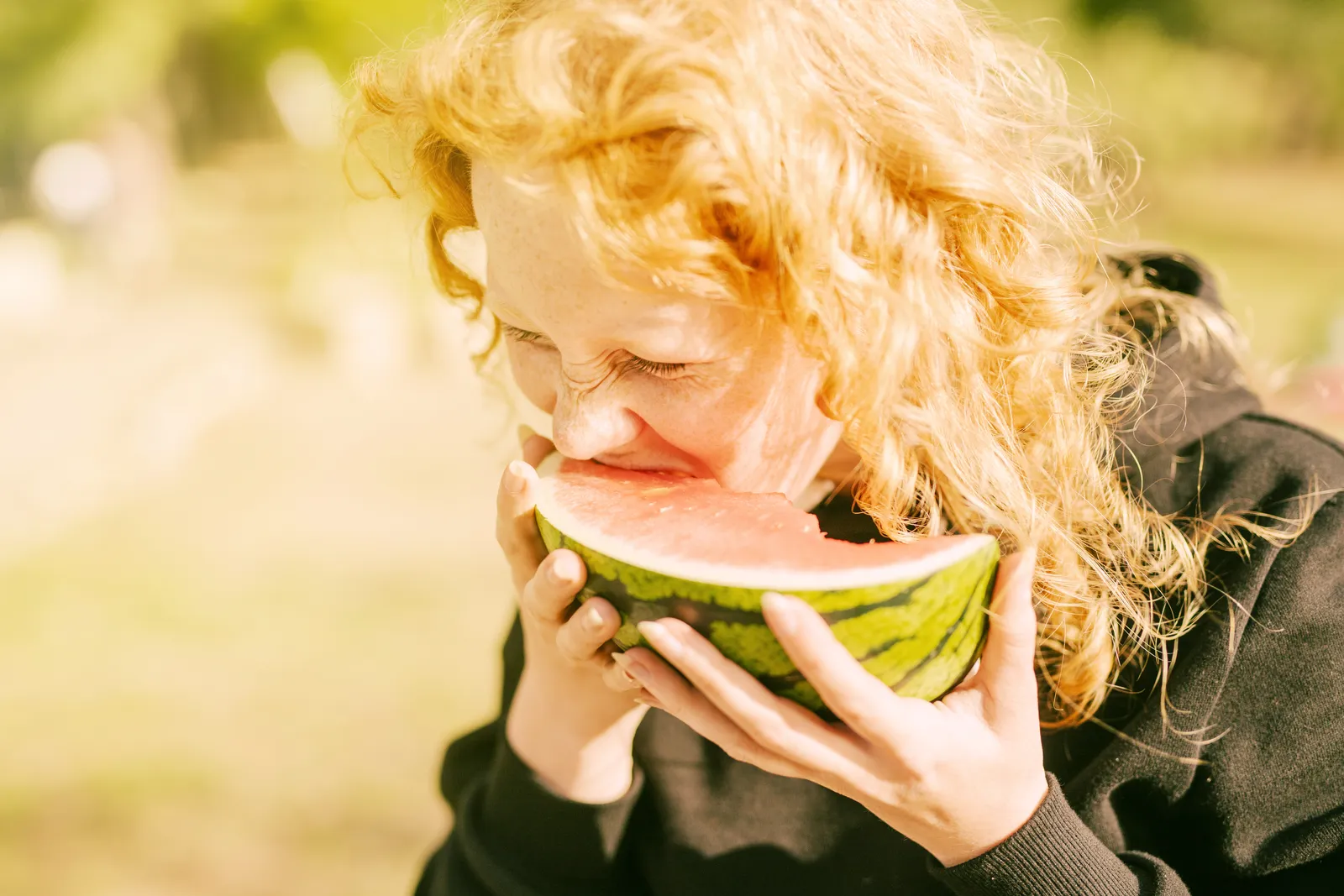
Red: tomatoes (especially cooked), red peppers, watermelon.
Dark green: spinach, kale, broccoli — the green hides the carotenoids, but they’re there.
A drizzle of olive oil helps, because carotenoids are fat-soluble — the perfect excuse for a well-dressed salad.
A few easy ideas for the week: pumpkin and carrot soup for dinner, oven-roasted sweet potato, tomato salad with oregano and olive oil, mango or apricots for dessert, spinach sautéed with garlic. Nothing exotic — just everyday cooking, with more colour.
Hydration and the rest of the day
Drinking water throughout the day, getting enough sleep and not smoking are choices your skin is grateful for too. None of this is spectacular, but it’s consistent — and consistency is what shows.
The same goes for too much alcohol and short nights: they show up in the mirror faster than we’d like. A bottle of water always to hand and a reasonable bedtime are two of the most underrated skincare steps.
Summer skincare starts long before your first swim.
Where a supplement fits in
A supplement can complement your diet, never replace it. Some people start taking a skin supplement two to four weeks before their holidays. If that’s you, look for nutrients with recognised functions:
Copper contributes to normal pigmentation of the skin.
Vitamin E contributes to the protection of cells from oxidative stress.
Sunscreen is still a must
No food or supplement replaces sunscreen. Apply it generously, reapply every two hours and after every swim, and avoid the hottest hours of the day. A hat, sunglasses and shade complete the picture.
Pay special attention to children, to fairer skin and to anyone taking medication that may increase sensitivity to the sun — if in doubt, ask your pharmacist.
In short
Include orange, red and dark green foods throughout the week.
A little healthy fat helps you make the most of carotenoids.
Hydration and sleep count.
No supplement replaces sunscreen.
This article is for information only and is not a substitute for advice from a health professional.